
It’s been a few weeks since my last post, on the underappreciated pros of the seasonal meal that is Christmas dinner. In truth, my seasonal indulgence, though better than last year, was reasonably untrammelled, carried away was I with the booty my partner brought back from the supermarket week after week in preparation. Okay, so there was no mincepie cheesecake, and we didn’t even eat a pudding after the Christmas roast (!), but there was plenty of other stuff firmly on the naughty list to make a very physical difference to one’s appearance and general sense of wellbeing in the aftermath. It’s the gloom you see, and the conviviality of social events that cluster together in the darkest days in ways that they don’t any other time of year. How can you not have that glass of baileys (hic)? Or that second buttery biscuit? And go on then, one more sausage roll. I know,
I know. I am not the perfect nutritionist and I don’t always practice what I preach, but at least I’m honest about it! Perfection is something I have to actively work to let go of, especially as in striving for it, the falling short tends to be more dramatic.
Something I didn’t quite bargain for…I also got some kind of disgusting virus that laid me up for all of Christmas Eve while my partner’s parents partied with our new pup downstairs while I sequestered myself for everyone’s sake in the confines of the bedroom, making almost half hourly trips to the toilet, and watching Love Actually (which is actually a bad Xmas movie) on my laptop, sipping ginger tea, and generally feeling very sorry for myself. I bounced back reasonably well the next day, but still. I was not as cautious as I could have been on a recently assaulted digestive system. Apparently noro has been doing the rounds, and while it could’ve been that, it could also have been any number of the viruses that we are all susceptible to at this time of year. Whatever. It was gross.
And so it seems I need to take extra care of myself as things have been not right in the gut department for some time, predating the overindulgence of the season, and worsening post-infection. I am going back to basics, as I would advise any of my clients to do under similar circumstances.
So what are these basics?
Firstly, optimising digestion for what goes into the stomach. Many of us suffer from low stomach acid which declines as we age anyway, and the major culprit for a massive decline is stress. I would ask you to consider what about modern life is not stressful, exactly? But it’s certainly something which affects me – Christmas itself can be stressful, as can introducing a very bouncy and wilful new puppy into your modest sized home over the winter when you’re all hotboxed in together. Note to self – get the next dog in the spring. But there are one or two major life stressors going on right now for me. And possibly for you too, so take care of yourself!

Ways to optimise digestion include bitter foods as these stimulate digestive secretions, apple cider vinegar, ginger, breathing slowly, eating slowly and chewing A LOT! Making sure you have a nutritious diet that contains the precursors to stomach acid – namely potassium, sodium, zinc (which gets hammered if you get sick) and B12. Because the thing is, if you’re stomach acid is on the low side, you don’t absorb your nutrients properly, and you are more likely to have dysbiosis of gut bacteria in the upper gut (SIBO) and elsewhere.
Lower stress where possible. It’s not just the stomach acid that stress affects but the motility and regularity of gut function more generally. Whatever works for you, do. Especially in winter when there are more stressors about and resilience is generally lower than in the sunny, daylight filled months. I have a lamp which is supposed to chuck out daylight equivalent light and I also make sure I get out for at least one walk a day, come rain, gales, sleet, snow, or that rarer spotted sunshine, because if I don’t, I go a little nuts. I definitely get more than a touch of Seasonal Affective Disorder (SAD) which many of us who live so far north of the equator do, so it’s really important for me to get outside. Here, having a puppy pays dividends as you have to walk him, even if it’s lashing it down. Exercise is important – moving around helps the gut to move too which is particularly crucial if you suffer from constipation. I personally find yoga helpful, and indeed some of the postures are designed to aid digestion such as any twists, but it’s not everyone’s bag. The main thing is to find something you like and do, do, do it.
On that note, there is more to stress control than doing, and that is just being. It’s winter, so we’re called to rest, even if our crazy modern lives don’t allow for it very much at all. Do what you can to carve out some boundaried you-time and it’s okay to go to bed earlier at this time of year too. It’s very important to get that restorative sleep.
I’m also cutting down (cutting out?), significantly, on the following gut-bothering inflammatory triggers: sugar, alcohol, caffeine, dairy, gluten, and processed meat. It’s okay. I’ve remembered how much I love olive oil and avocados! Eggs seem safe too, though not for everyone.
Eating nutrient-dense, unprocessed food. It’s time for soups and stews, and even the odd mildly spiced curry (no chilli for me). Bring in coconut milk when you can – it’s gentler than dairy. Bone broth is making a resurgence in my diet due to its gut healing properties. And so are the digestive friendly herbs: chamomile, ginger and fennel. I’ve just struck the motherload and found some frozen batch-cooked homemade chicken soup in our freezer. Good protein sources of grassfed meat, especially fish and chicken as they’re easier to digest, are also gut healing staples. Basically, ditch the pizza, greasy foods, curries, chillis and anything else that might cause a problem. If you are going to eat out, Japanese is a good cuisine!
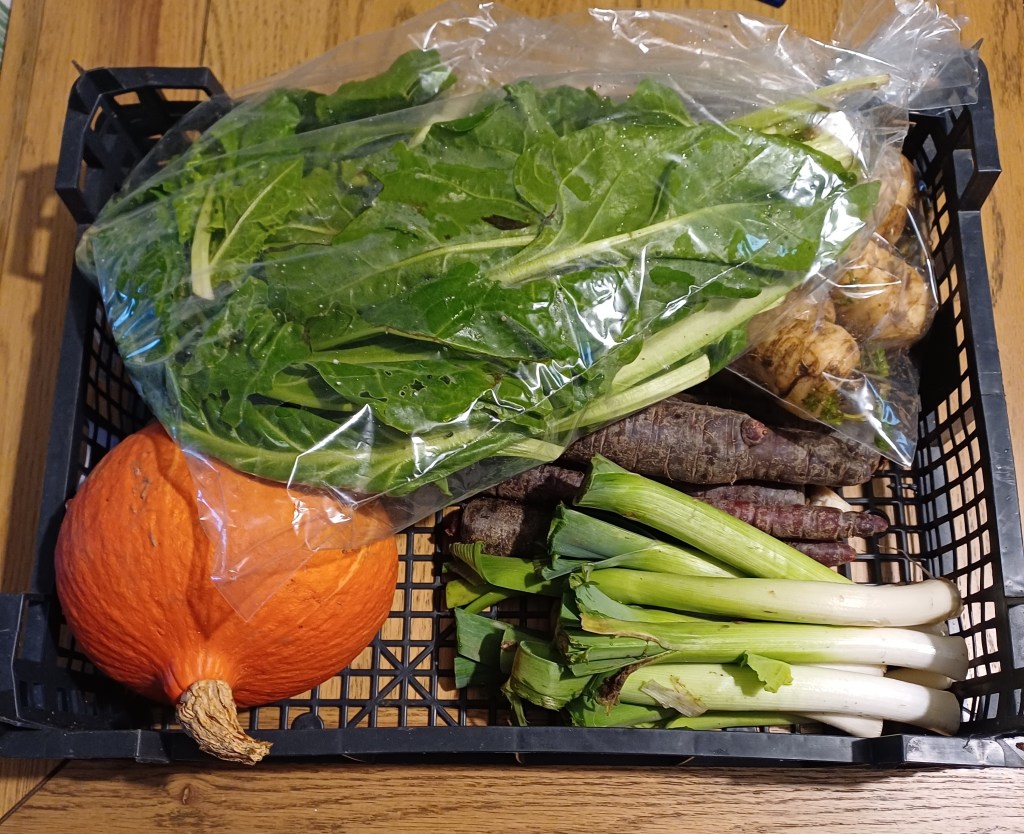
Of course, local, seasonal, organic veggies are still a prominent feature of my diet – the more colourful the better, but I’m being careful with the sulphurous ones that tend to ferment a bit in the gut like sprouts (oh, how I love them, how they may not love me right now), cabbage and broccoli. Onions may also be an issue but I’m keeping an eye on it. A low FODMAP diet is something I could try but I’m not there yet as it’s pretty restrictive. Also, if you’re dramatically upping your veggie intake, this can mean a lot more fibre than your system is used to, which can bring it’s own unpleasantness. Go low and slow and build up gradually.
Talking of fermentation – fermented foods like sauerkraut, kimchi, kefir and even yoghurt are generally great for you, but if you have dysbiosis, they can make symptoms worse. This is why I am being a little cautious with probiotics as well. Letting your gut heal is a good idea first, as is a slow introduction of such foods, noting symptoms. Indeed, a food diary is a wonderful idea all round so that you can keep track of anything troublesome.
There may be some things I have missed but I think I’ve covered most of it. For me, it’s about making changes in batches as I find all-out dramatic change difficult. Plus your body needs time to adjust. I am going easy on myself and I strongly advocate for you to do the same. If nothing else, take some time for some deep breaths, preferably in the open air, today. Little changes can have profound effects.
If you would like to know more about how to optimise digestion, combat troublesome gut symptoms, or just generally take better care of your health through nutrition and lifestyle, I’d be happy to chat. Contact jop.naturalnutrition@gmail.com for your free discovery call today.

 Jo Priest - Natural Nutrition
Leave a comment