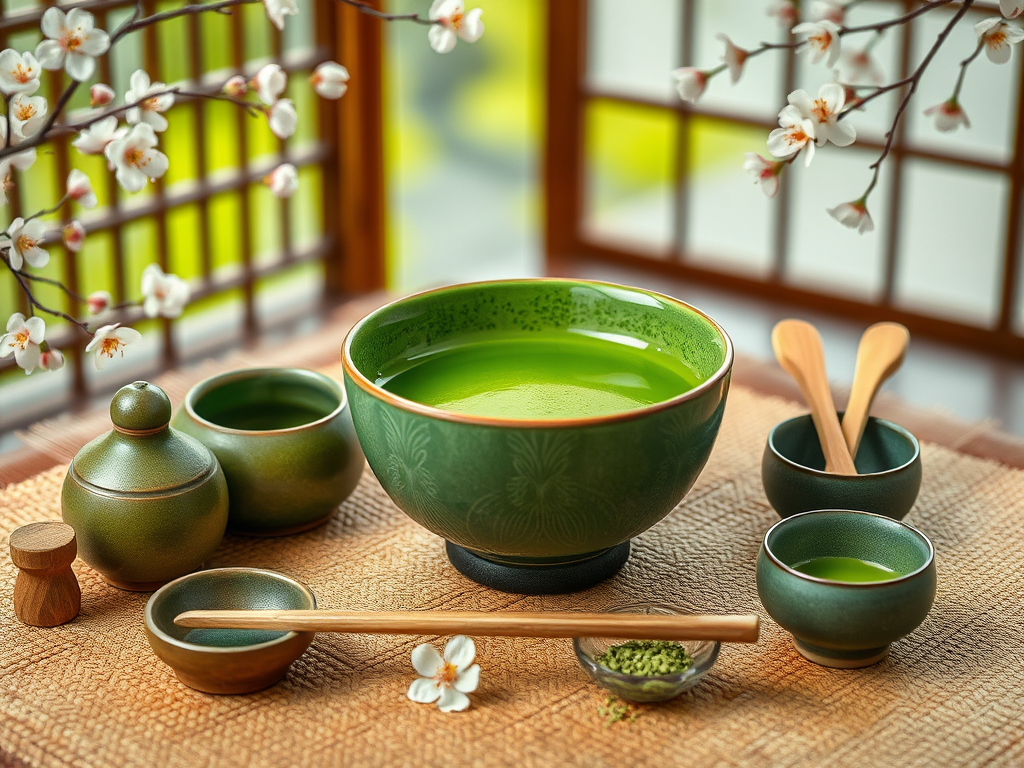
You can’t have it with milk (exception: matcha latte) and it DOES have caffeine in, but my word, I’ve come a long way from my PG Tips with milk and two sugar days (admittedly I was a small child and got what I was given) thanks to my conversion to this Queen of Drinks. Why choose green tea over pretty much any other hot beverage? Well, I’ll tell you!
All forms of tea come from the same plant – camellia sinensis – but green tea is the least processed of all. Green tea is rich in catechins, especially EGCG (epigallocatechin gallate) — one of the most studied plant compounds in nutrition science. This antioxidant has various health benefits – more on that later in the post – and is associated with the longevity enjoyed in ‘blue zone’ Okinawa. So precious is it, it has even been used as currency! And it has an almost spiritual purpose, especially in Japan where entire ceremonies are devoted to pouring and consuming the perfect cup.
Although enjoyed more ubiquitously in the far East, green tea has risen in popularity in the West. Europe’s green tea market grew by around 17 % between 2021 and 2024, with the UK, Germany, and France leading in volume. It’s also increasingly imbibed in the US.
What makes it different to black tea?
As I said, far less processing makes green tea the more ‘authentic’ of the two – closer to the original plant as the leaves haven’t oxidised. As a result, it has less caffeine than black tea (typically 30-50% more in black) and lots of that aforementioned EGCG. That said, black tea is still good for you. Like green tea, it contains L-theanine – a calming compound – but in a smaller ratio to caffeine. It makes sense why the British cure-all is a ‘nice cup of tea’ even in the face of extreme shock! But swapping the traditional black (or, let’s face it, brown, since milk is a given in the UK) for a good quality green tea will have a starker effect. Black tea also contains antioxidants and may well have beneficial effects on the gut microbiome.
So, specifically then, what are the health benefits of green tea?
Supports brain function
That caffeine and L-theanine ratio is all-important for boosting wellbeing and calm focus, while avoiding the ‘jitters’ that coffee consumption can bring about. I always say, got something tricky to do? Have a green tea! But more than that, green tea consumption is also associated with better cognitive function in the long-term.
Supports heart health
Studies have shown that green tea can help to lower LDL cholesterol and its oxidation – LDL is the more troublesome of the cholesterol forms and is associated with higher levels of plaque build up in the arteries. It also has a couple of other key effects, both in terms of slightly lowering blood pressure and improving the function of walls of the blood vessels. So all in all, it’s a heart-loving drink!
Supports weight loss
Want to lose weight or control blood-sugar? Green tea, while not a miracle cure, should most definitely be part of your arsenal! There is evidence that it increases metabolic processes which ‘burn’ fat more quickly during exercise AND improves insulin sensitivity, helping reduce the risk of developing Type 2 Diabetes Mellitus.
Helps reduce inflammation
Yes, those all-important EGCGs have an anti-inflammatory effect which can help with any number of health conditions where inflammation is part of the problem. It neutralises free radicals, lowering oxidative stress. Personally, I’ve found it helpful to soothe both gut and bladder irritation.
There’s also some evidence to show green tea helps with the gut microbiome and the immune system, and even has some anti-cancer properties. Really, what’s not to love about that?
Some further considerations
The tannins in green tea can reduce iron absorption so it is best to drink it away from meals, especially if you are a menstruating woman or not getting a lot of iron in your diet. That’s true of black tea too – which has me shaking my head in dismay at my childhood mealtimes – a cup of brown tea with every meal! Ngh.
Caffeine IS present at 25-40mg/cup. Far lower than coffee or even black tea, but if you’re sensitive, consider limiting consumption to before midday.
And for best results, consume 2-4 cups a day!
How to brew the perfect cup
Finally, the perfect cup of green tea isn’t too bitter, too strong, and has a nice vibrant green colour (not murky dark pond).
Brew at 70-80 degrees rather than the usual 100. Boil the kettle and wait a couple of minutes before pouring.
Don’t leave the bag in – 3 minutes should be the maximum, unless you like a bitter drink.
Consider matcha – Matcha is powdered young leaves, has a sweeter taste AND has more concentrated levels of all of the compounds that benefit health. It is also higher in caffeine and L-theanine. Try this for more bang for your buck.
If you’ve found green tea helpful for your own health, or if you’re just a fan, feel free to comment below. Also, please like and subscribe to my blog for more health bloggy news or more personal insights into nutritional therapy. And if you’d like to know more about how to optimise your health, or if you have a specific health concern you want help with, please message me at jop.naturalnutrition@gmail.com. Bye for now!

 Jo Priest - Natural Nutrition
Leave a comment